
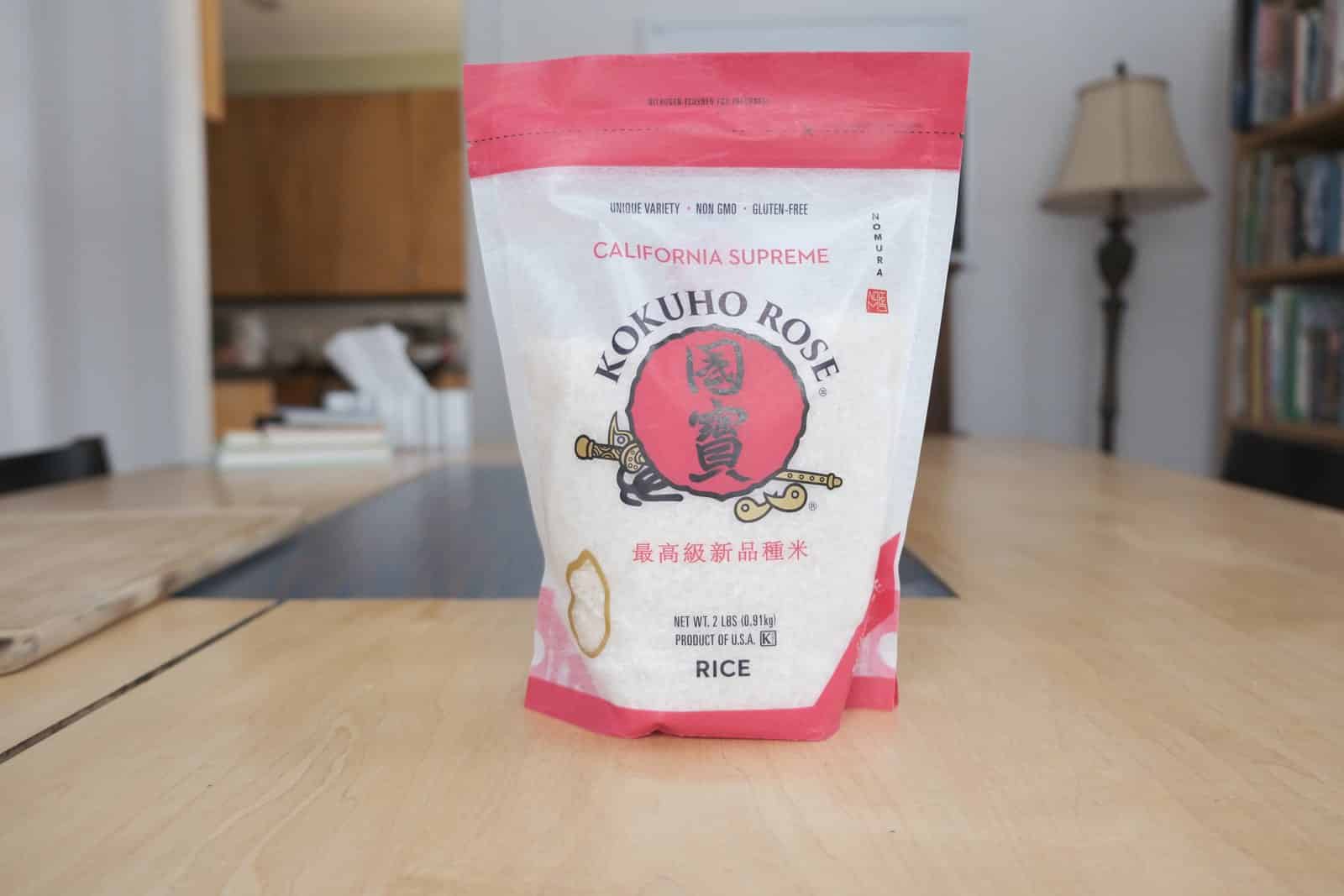
Review: Why Kokuho Rose Is the “Short Grain” Japanese Rice of Your Dreams
The rice aisle can be overwhelming, right? You are standing there, staring at a wall of plastic bags. You see the wallet-friendly bag of generic long-grain rice next to the smaller, slightly pricier pink bag of Kokuho Rose, and you hesitate. Is it really worth the extra few dollars?
If you are planning to make sushi, onigiri (rice balls), or even just a comforting bowl of sticky rice to eat with chopsticks, the answer is a resounding yes.
Here is the truth: If you have ever tried to make a California roll or a rice ball at home and it crumbled into a sad, dry mess in your hands, you are not a bad cook. You were likely just using the wrong rice.
Why the Rice Matters (More Than You Think)
When we cook dishes like curry or stir-fry, the rice is often just a background player. But for Japanese cuisine, rice is the main event.
Standard long-grain rice (like Jasmine or Basmati) is bred to be fluffy and separate. It wants to fall apart. If you try to force it into a sushi roll, you are fighting physics.
To get that restaurant-quality experience, you need short grain Japanese rice (or a premium medium grain like Kokuho Rose). These varieties contain a specific type of starch that creates that magical “chew” and stickiness. It is the glue that holds your onigiri in a perfect triangle. It is what makes the rice cling to your chopsticks rather than raining back down into your bowl.
Think of it this way: You wouldn’t try to make a lasagna using tortillas. Investing in a bag of Kokuho Rose might cost a few dollars more upfront, but it ensures your homemade sushi night is a total winner rather than a frustration. It turns a “pantry meal” into something that feels like a luxury takeout order—and that is the ultimate money saver.
Meet Kokuho Rose
Kokuho Rose isn’t just generic white rice. It has a story.
Developed in the 1950s by Koda Farms in the San Joaquin Valley of California, this rice is actually a unique variety. Koda Farms is a third-generation, family-owned farm, and they are practically royalty in the rice world.
While many brands simply label their bags “Sushi Rice” or “Calrose,” Kokuho Rose is a specific, proprietary heirloom strain. It was developed specifically to handle the unique California climate while delivering the eating experience of premium Japanese rice. In fact, it is so beloved that it has been called “a treasure of the country” in Japan.
The Taste Test: Why It Rocks
Let’s be real—rice is rice, isn’t it? No.
If you have ever had rice that felt dry, mealy, or just… sad, you know that quality matters. When you cook Kokuho Rose, the first thing you notice is the scent. It’s sweet, floral, and incredibly comforting.
Texture: This is where Kokuho Rose truly shines. It is tender, moist, and plump. It has that distinct “cling” that makes it easy to eat with chopsticks, but it doesn’t turn into a pile of mush. It has a slightly sweet finish that balances perfectly with savory stir-fries or salty soy sauce.
Appearance: The grains cook up snowy white and slightly glossy. It looks like a jewel in the bowl.
The Great Debate: Short Grain vs. Medium Grain
Here is where things get technical (but stick with me, because this matters for your shopping list).
If you are Googling “short grain Japanese rice,” you are likely looking for that classic sushi texture—sticky, chewy, and dense.
Technically, Kokuho Rose is actually a medium-grain rice.
So, why do I recommend Kokuho Rose when you want short grain? Because Koda Farms developed this strain to mimic the best qualities of short grain rice. It possesses that velvety, sticky quality you crave for sushi or onigiri, but it’s a little more forgiving to cook. It is the best of both worlds. It holds together when you squeeze it, but it remains fluffy on the plate.
H3: The Secret to Restaurant-Quality Rice (The “Clarity” Rinse)
I can give you the best rice in the world, but if you don’t treat it right, it won’t love you back. The secret to that distinct, individual grain texture—rather than a gummy block—is washing your rice.
You cannot skip this step!
Place your Kokuho Rose in a bowl and cover it with cold water. Swish it around with your hand; the water will turn milky white. That is excess starch. Drain it and repeat. You want to do this 3 or 4 times until the water runs mostly clear. This ensures your rice cooks up plump and distinct, not gluey.
How to Use It
Because Kokuho Rose is the “Goldilocks” of rice (not too sticky, not too dry), it is incredibly versatile.
The Verdict
Is Kokuho Rose worth the slightly higher price tag compared to the generic bulk bin stuff? Absolutely.
It turns a simple bowl of rice into a meal. It feels nurturing and high-quality. Whether you are a sushi novice or just someone who wants a better bowl of dinner, this California-grown gem is a pantry essential.
Pros:
Cons:
Where to get it
I buy larger bags of this from my local asian grocery store, but many places now carry it, at least in smaller formats. For larger bags, Amazon sells a 10lb. version at a great price that’s included with prime. It’s actually less money to buy two of those than to buy the 20lb. size from them.
The Frugal Feast Tip
Buy the Big Bag: Rice does not go bad if you store it correctly! A small 5lb bag of Kokuho Rose might cost you $15, but a 15lb or 20lb bag often drops the price per pound significantly. Buy the big bag, and store the excess in an airtight container or a food-safe bucket with a lid. You will have premium rice for months at a “wallet-friendly” price. ✨