Pinto Beans vs. Black Beans: Which One Wins Your Dinner?
Hi friends! You know that moment when you are standing in the canned goods aisle, staring at the shelf, trying to decide which bean is going to make your chili absolutely sing? We have all been there. It seems like a small choice, but when you are cooking on a budget, these humble legumes are often the star of the show.
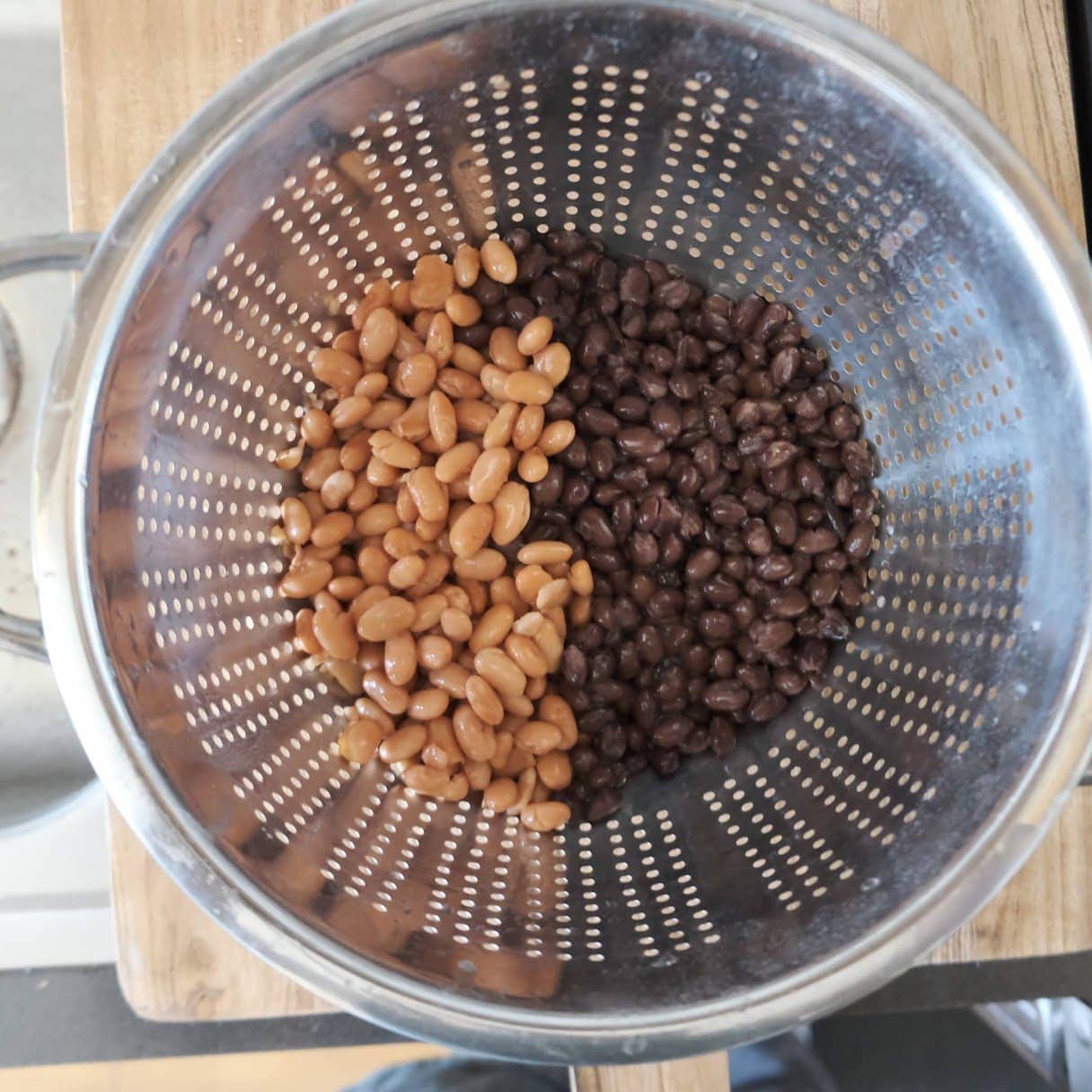
While they might look similar (aside from the color), the battle of pinto beans vs. black beans is actually about vibe, texture, and flavor. They each bring something totally unique to the table. Whether you are looking for something creamy and nostalgic or something bite-y and bright, I am going to help you pick the perfect winner for your next meal. Let’s dive in.
The Vibe Check: Flavor & Texture
To the uninitiated, a bean is a bean. But to us? We know better. Here is how they stack up when you put pinto beans vs black beans head-to-head.
Pinto Beans: The Cozy Comfort
Pinto beans are my absolute BFF when I want comfort food. They have a thin skin and a texture that becomes incredibly creamy and velvety when cooked down.
Black Beans: The Structural Hero
Black beans (also called turtle beans) are the reliable, sturdy friends of the pantry. They have a thicker skin that holds its shape even under high heat.
When to Swap (and When Not To)
Can you substitute them? Absolutely. If a recipe calls for one and you only have the other, dinner is not ruined. You are going to look like a genius for using what you have.
However, keep the texture in mind.
The Technical Tip: The “Pot Liquor” Gold
Whether you choose pinto or black, if you are cooking them from scratch (or even using high-quality canned ones), do not throw away the liquid.
This starchy liquid is known as “pot liquor” (or aquafaba), and it is liquid gold. It is full of flavor and starch.
Here is the fully combined section, giving you that perfect mix of specific Mexican classics and general weeknight staples.
The Menu Guide: Perfect Pairings & Classic Dishes
Okay, we know the vibes, but what are we actually making for dinner? While you can technically use any bean anywhere, playing to their strengths will elevate your dish from “good” to “culinary school quality.”
Pinto Beans: The Melters Because they get soft and creamy, stick to dishes where you want body, richness, and that “saucy” factor.
Black Beans: The Texturizers Because they hold their shape and stay firm, use them when you want visual pop and a distinct bite.
The Remix: When to Break the Rules Sometimes, the “wrong” bean is actually the right choice. Don’t be afraid to experiment!
Want a rustic salad? Toss in warm pintos. They will slightly disintegrate into the dressing, making it creamier and more savory—almost like a warm dressing.
Want a lighter chili? Use black beans. The broth will stay soupier and the beans will stand out against the meat (or veggies).
FAQ
Which one is healthier? Honestly? It’s a tie. Both are nutritional powerhouses packed with fiber, protein, and antioxidants. Black beans have slightly more antioxidants (thanks to that dark skin), while pintos are slightly higher in fiber. You are winning either way.
Do they cook at the same rate? Generally, no. Because black beans have that tougher, snapping skin, they usually take about 15–20 minutes longer to cook from scratch than the softer pinto beans. If you are cooking them together, add the pintos a little later so they don’t turn to mush.
Can I freeze cooked beans? Yes, and you should! I am obsessed with batch cooking dry beans. Let them cool completely in their liquid, then freeze them in their broth. They will last for months and taste infinitely better than canned.What are refried beans made from? Traditional refried beans are made with Pinto Beans, however, they are sometimes made with black beans, and the cans will
The Frugal Feast Tip: Dry beans are significantly cheaper than canned—usually costing pennies per serving. If you see a bag of “unwashed” or “field” beans, grab them! They are often the freshest and cheapest options available. Just give them a good rinse before soaking. 💀